Discover Hanover
A regional tourism board needed a platform that could handle the scale of an entire destination: events, attractions, dining, and lodging updated constantly. Built a deep CMS architecture with mega menu navigation and third-party integrations that the team can manage without a developer.
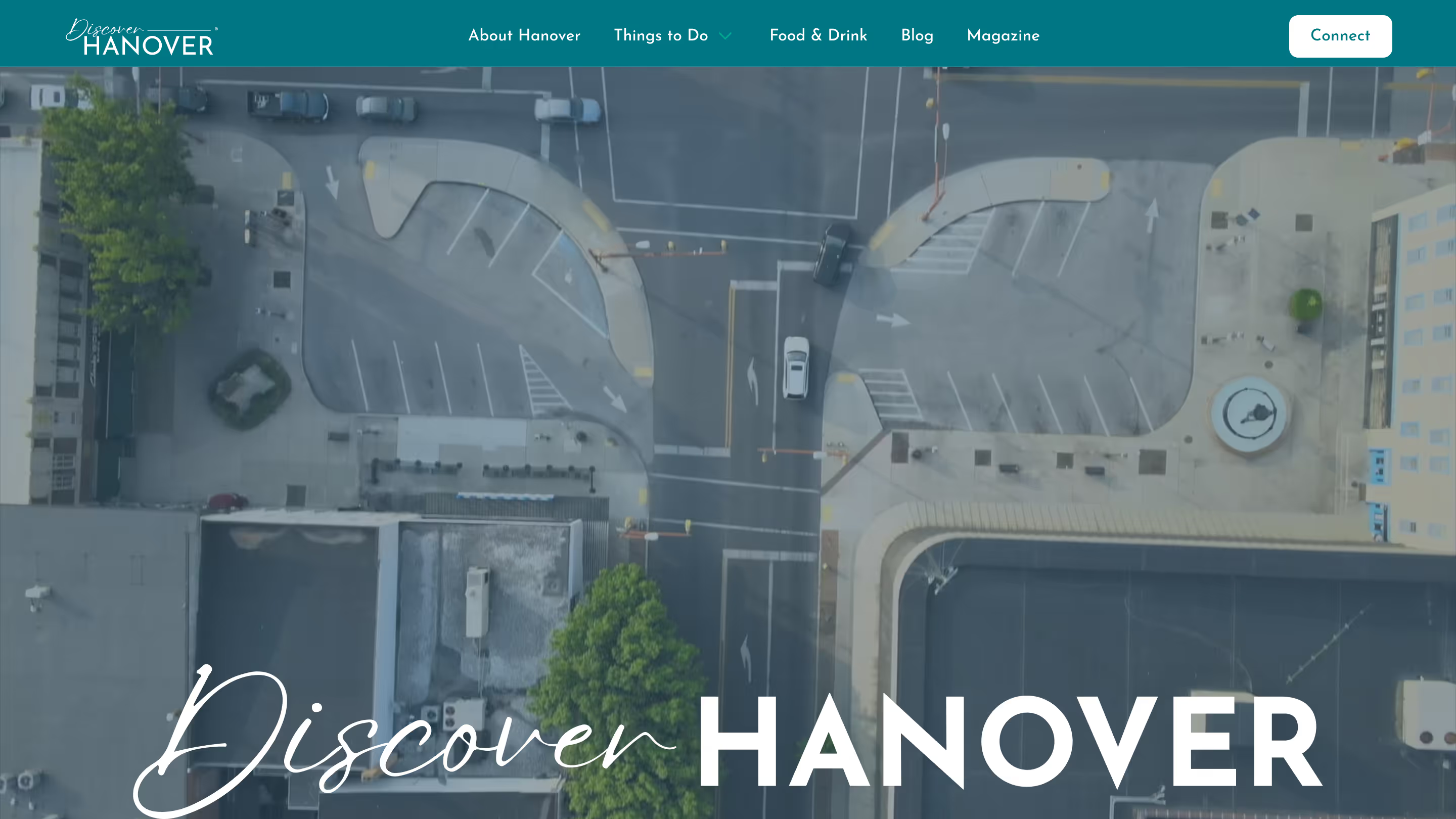
An Entire Destination. One Platform.
Discover Hanover is the tourism authority for Hanover, Pennsylvania. Their digital presence needed to represent the full scope of the destination: events, attractions, dining, lodging, and editorial content, while remaining manageable for a small team without ongoing developer support. The scale of the content and the variety of content types made this one of the most architecturally complex builds in the portfolio.
How I Got There
Every project starts the same way: understanding the business before touching the design tools. Here's how this one came together.
Discovery
Goals, audience, and competitive landscape before a single frame is drawn.
Architecture
Page hierarchy, conversion flows, and SEO structure mapped before design begins.
Design & Build
Figma to Webflow. Pixel-perfect, CMS-powered, and built to perform from day one.
Launch
Core Web Vitals audit, cross-browser QA, and a clean handoff so the team owns their content.
Scale Without Complexity.
A tourism platform lives or dies by how easy it is to keep current. Events come and go, businesses open and close, and seasonal content needs to rotate. If the CMS isn't structured correctly, maintenance becomes a full-time job. The architecture had to be deep enough to handle the variety of content types while staying simple enough for a non-technical team to manage daily.
Navigation was its own challenge. A destination with this many content categories needs a mega menu, but mega menus built poorly break on mobile and confuse users. The navigation had to organize a large content library intuitively without overwhelming someone who just wants to find a restaurant for dinner.
Architecture Designed for a Non-Technical Team.
The CMS was structured around content types first: events, attractions, dining, lodging, and editorial, with each collection designed to cross-reference the others. An event can surface its venue, a dining listing can appear in a neighborhood guide, and seasonal editorial content can pull from multiple collections dynamically. The mega menu was built with Webflow interactions and custom code to handle the breadth of categories while remaining fully responsive. Third-party integrations were mapped and connected to pull in live event data without requiring
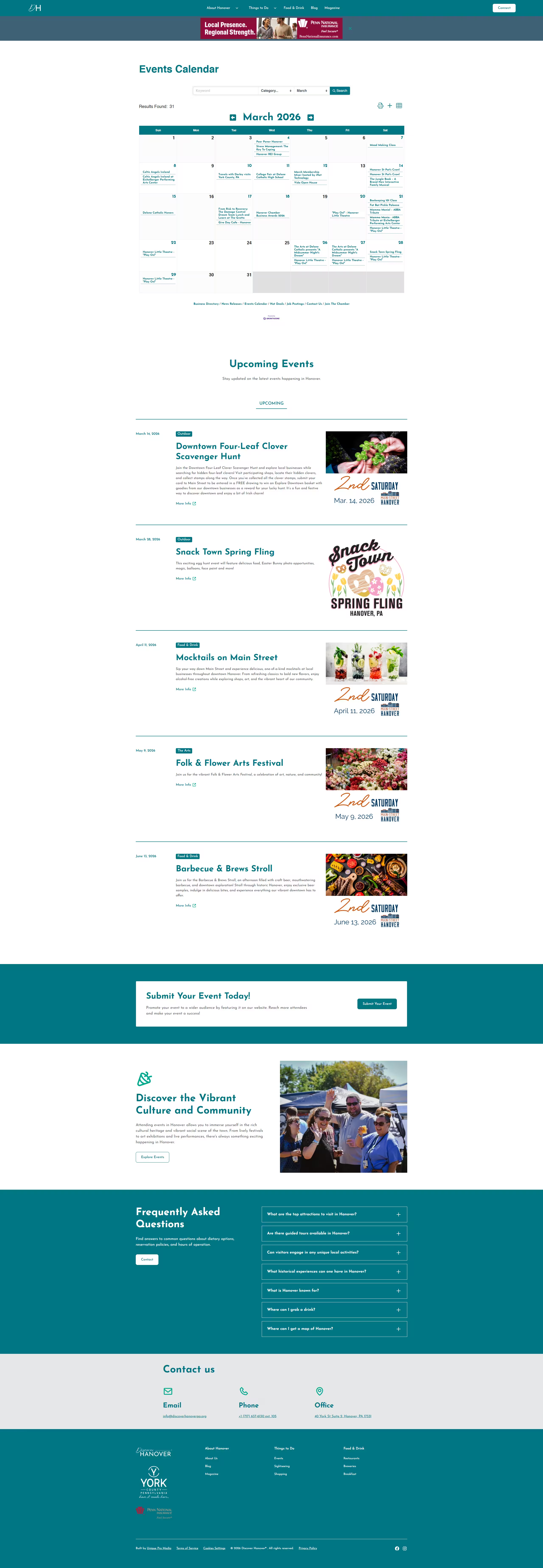

A Platform the Team Actually Owns.
Discover Hanover launched with a fully structured CMS, a working mega menu, and third-party integrations running live. The tourism board team manages their own content daily without touching code.
11
Pages Built
4
CMS Collections
14
Content Categories